Seafood is a cornerstone of a healthy kitchen, offering an excellent source of lean protein, omega-3 fatty acids, and essential minerals. However, living with intention means being fully aware of the ingredients we bring to our table. One of the most important nuances of seafood consumption is understanding methylmercury.
Understanding the Biological Cycle
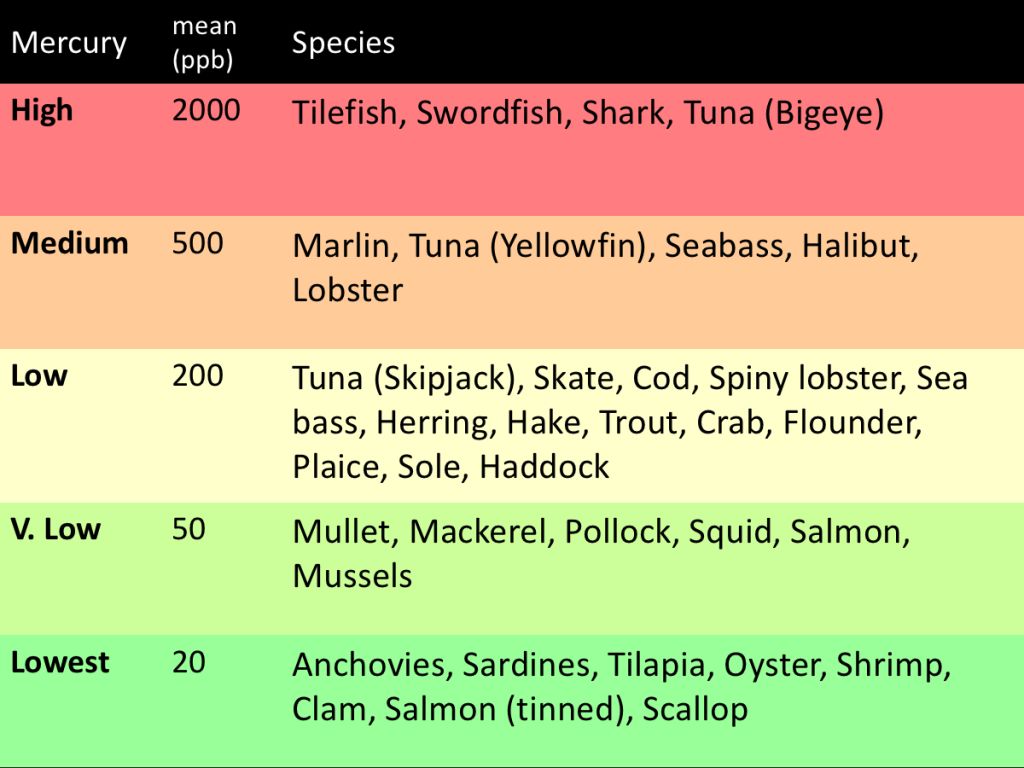
The Origins of Methylmercury
Mercury is a naturally occurring element found in the earth's crust, but its presence in our oceans has been significantly amplified by human activity. Industrial processes—specifically coal-fired power plants, waste incineration, and certain mining practices—release inorganic mercury into the atmosphere.
Once this mercury settles into our waterways, microorganisms convert it into methylmercury, a highly toxic organic form. This is where the biological cycle begins: small fish consume these microorganisms, and larger fish consume the smaller fish. Because methylmercury is absorbed faster than it is excreted, it undergoes bioaccumulation, reaching its highest concentrations in long-lived, predatory species at the top of the food chain.
Balance and Bioaccumulation
While the benefits of eating fish are significant for heart and brain health, consuming it smartly requires a balanced approach. The goal is not to eliminate seafood, but to diversify your intake. By choosing a variety of fish, you ensure you receive vital nutrients while minimizing the risk of cumulative mercury exposure.
The Tuna Context
In our own kitchen, we often enjoy Italian Tuna Salad made with yellowfin tuna. It is a nutrient-dense choice, but it serves as a perfect example of why awareness matters. Yellowfin is a larger predator than "light" tunas (like skipjack). Consequently, yellowfin contains slightly higher mercury levels.
The FDA and EPA categorize yellowfin as a "Good Choice," recommending it be limited to one serving per week. For those who enjoy seafood more frequently, rotating in "Best Choice" options like salmon, sardines, or trout allows for a healthy, sustainable rhythm.
FDA & EPA Consumption Categories:
- Best Choices (2-3 servings a week): Salmon, Cod, Shrimp, Tilapia, Sardines, Canned Light Tuna.
- Good Choices (1 serving a week): Yellowfin Tuna, Albacore/White Tuna, Halibut, Snapper.
- Choices to Avoid: King Mackerel, Shark, Swordfish, Tilefish.
Buying and Consuming Smartly
Intentional consumption is about knowledge. When you stand at the fish counter, consider the life of the fish. Smaller, younger fish generally have had less time to accumulate contaminants. By prioritizing variety and staying informed on current food safety data, we can enjoy the gifts of the sea while protecting our long-term well-being.
Reliable Resources for Food Safety
To dive deeper into the specifics of environmental contaminants and mercury safety data, we recommend these verified resources:
- National Institutes of Health: Methylmercury Research - An in-depth look at the health effects and environmental presence of methylmercury.
- FDA: Mercury Levels in Commercial Fish (1990-2012) - Comprehensive data on mercury concentrations across various species.
- FDA/EPA: Advice about Eating Fish - The primary reference for consumer serving frequencies.
- EPA: Choose Fish and Shellfish Wisely - Guidelines on choosing sustainable and safe seafood.