Introduction
Rhythm is the shape of our days — the seasons, the rituals, the rest, and the journeys that shift our perspective. We follow the subtle changes in light, weather, and mood, letting them guide how we live, both here and wherever we wander.
Setting the Foundation
This house has been standing for twenty‑five years, long enough to hold its own history but still young enough to grow with us. The remodel earlier this year gave it a fresh start—updated spaces, cleaner lines, and a sense that the home is finally aligned with the way we want to live. But a remodel is only the beginning. The real transformation happens in the quieter work, the small decisions that make life easier not just now, but years from now.
On this trip, we focused on the kinds of tasks that don’t make for dramatic before‑and‑after photos but matter deeply to how a home functions. We applied Drylok to the basement walls, painted the floor, and set up rolling carts to organize the things that tend to drift into corners. It’s simple work, but it feels like laying down a foundation—not of concrete, but of intention.
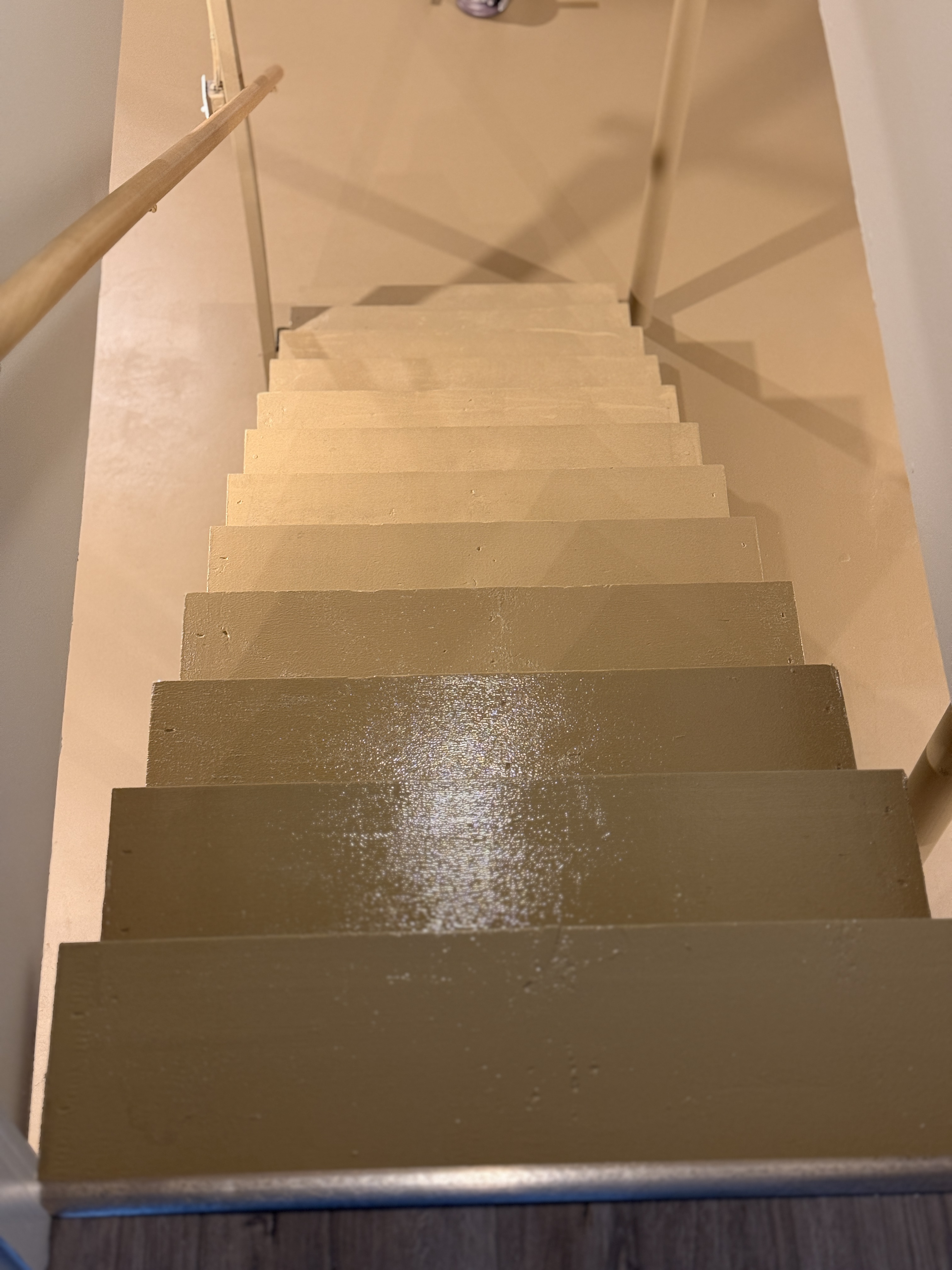
There’s something grounding about preparing a space for the future. Every small improvement becomes a promise to our later selves: that life will be a little easier, a little more organized, a little more peaceful. These are the kinds of projects that don’t demand attention but quietly support everything else we hope to build here.
We’re five years away from retirement, and that timeline shapes the way we think about this home. We’re not rushing. We’re not trying to finish everything at once. Instead, we’re tending to the house the way you tend to a long‑term garden—slowly, season by season, trusting that each step will add up to something steady and welcoming.
This is the rhythm we’re learning: small work, done with care, that prepares the way for the life we’re moving toward. A home that supports us. A place that grows with us. A foundation for the years ahead.
Winter Rhythm — Lo Boièr and the Quiet Season
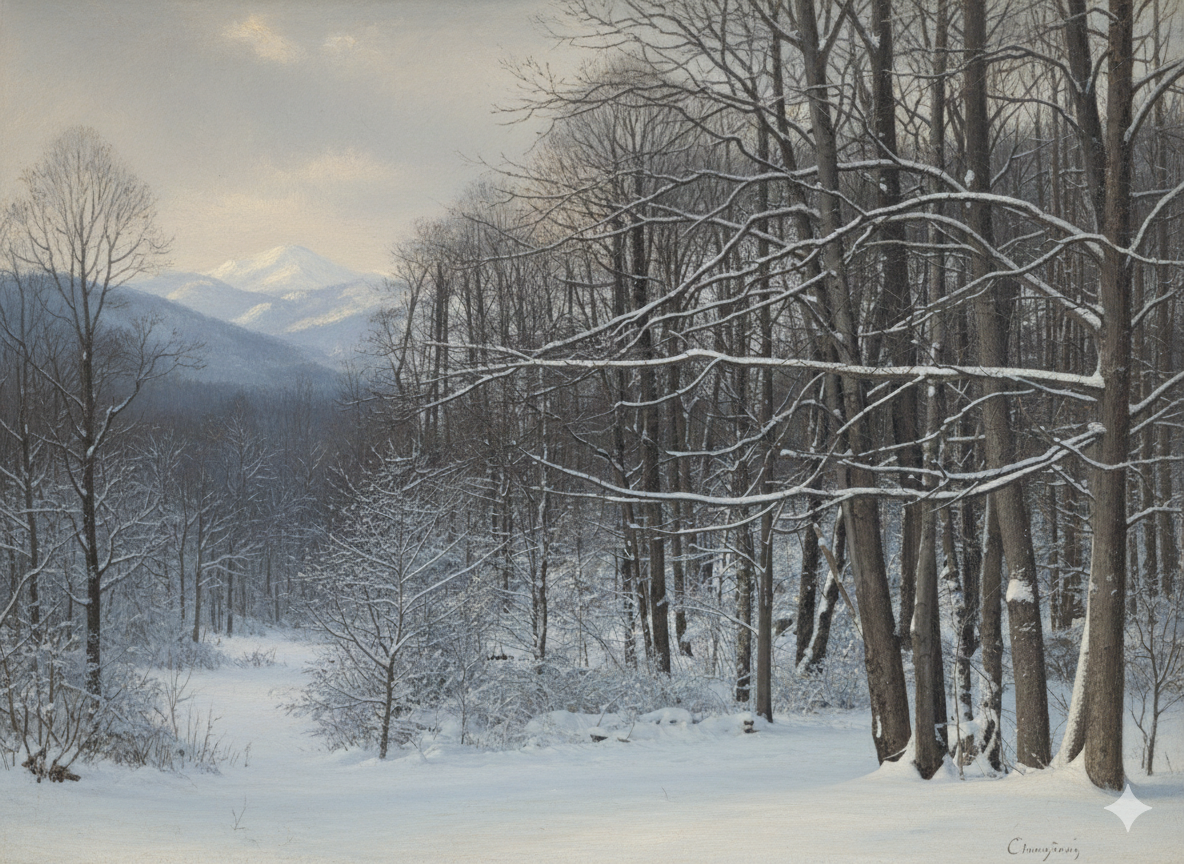
Winter has a way of teaching rhythm. Here in northwest Pennsylvania, a foot of snow fell on New Year’s Eve — heavy, quiet, and absolute. By morning, every tree and branch was coated in white, sparkling hard in the sun as if the whole landscape had been dipped in glass. Meanwhile, in San Francisco, the wind pushed against the windows and rain swept through the streets in long, restless bands. Two coasts, two weathers, one season settling in.
This is the time of year when everything slows — the land, the light, the body. And in that slowing, I’ve been returning to an old Occitan chant called Lo Boièr. It’s a simple melody, built on long vowel sounds and steady repetition, the kind of rhythm people once used to stay grounded through winter’s quiet and winter’s hardship.
I often listen to it while I move through the quieter parts of the day — cooking, cleaning, putting the house back in order after the holidays. There’s something about its cadence that softens the edges of the moment. Even simple tasks feel calmer, more intentional, as if the chant is reminding me to slow down and breathe.
Across Europe, this instinct was the same.
In the Highlands, women sang waulking songs to keep time with their hands.
In rural Italy, farmers used chants and rosaries to mark the dark hours of winter mornings.
And in the Languedoc, the Cathars carried their memory through songs like Lo Boièr — part prayer, part work rhythm, part winter meditation.
Different places, different histories, but the same truth:
when the world grows still, rhythm becomes a way of remembering.
So this quarter, Rhythm turns inward.
A breath.
A chant.
A slow walk through snow‑covered branches or rain‑washed streets.
A return to the simple patterns that steady us.
If you’d like to listen, here is the version I return to most often — a quiet, nine‑minute companion for winter days:
La Boier (Gnostic Chant) – Emerelle on YouTube
Lo Boièr is my winter rhythm — a reminder that even in the quietest months, there is a pulse beneath everything, ancient and steady, waiting to be heard.