Even in July, the city can sit comfortably in the 50s, wrapped in fog that shapes everything from appetite to ritual. It is a metropolis defined by microcosms—where microclimates alter the temperature block by block, and distinct neighborhoods preserve ancestral culinary traditions.
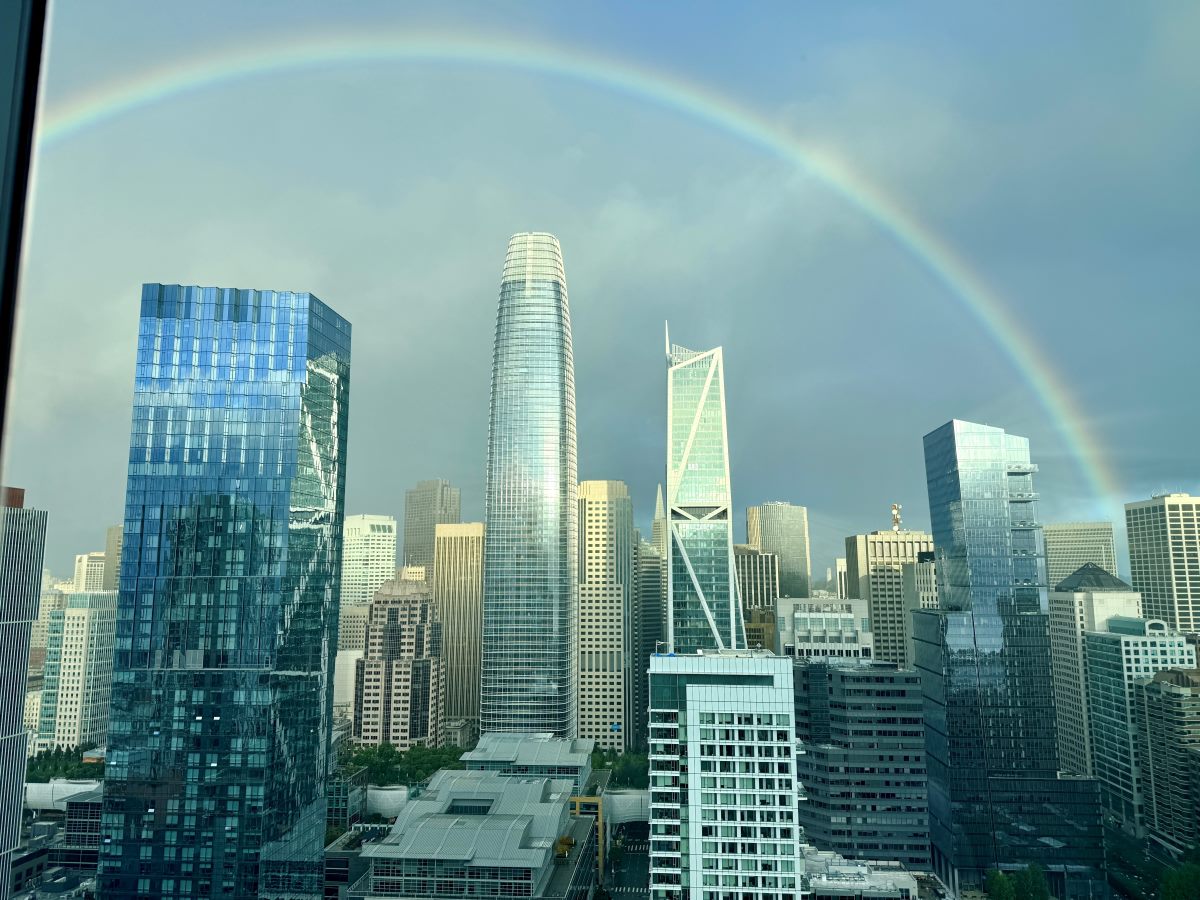
You wake to sunlight pouring through the window, only to step outside and feel the unmistakable chill of the Pacific drifting in. The sky is bright, the air is sharp, and the wind carries that mix of salt, eucalyptus, and coffee that feels uniquely San Francisco.
Even in summer, the city lives in layers—fog rolling over the hills, a marine layer settling along the coast, temperatures hovering in the 50s while the rest of California bakes. It's the kind of place that inspires entire essays about why summer here feels like fall.
Markets, Makers, and the Global Pantry
A Saturday morning at the Ferry Building Marketplace is a masterclass in culinary diversity. The air smells like peaches, sea salt, and fresh coffee. It's the kind of place where dinner plans form themselves: a handful of herbs, a loaf of sourdough, and a jar of something you've never tried before. For deeper exploration, sync up with the neighborhood blueprints via San Francisco Travel to trace current culinary makers across the bay.
Neighborhood Microcosms
To understand San Francisco, you must learn to read its streets like chapters. Each neighborhood carries its own distinct atmosphere, weather pattern, and culinary heritage:
| Neighborhood | Atmosphere & Vibe | Culinary Markers |
|---|---|---|
| Chinatown | Historic alleyways, vibrant community hubs, bustling morning markets. | Steamed pork buns, loose-leaf herbal teas, fresh hand-pulled noodles. |
| The Mission | Sun-drenched sidewalks, extensive street murals, independent bookstores. | Fresh stone-ground masa, mission-style burritos, third-wave espresso. |
| North Beach | Old-world European heritage, legacy cafés, rich literary counterculture. | Dark-roast espresso, sea-salt focaccia, classic wood-fired pizzas. |
| Japantown | Quiet indoor plazas, historical cultural landmarks, serene architecture. | Steaming tonkotsu ramen, hand-pounded mochi, quiet hidden izakayas. |
| The Richmond | Fog-swept avenues, local family storefronts, proximity to Ocean Beach. | Traditional Russian bakeries, Burmese tea leaf salads, dim sum. |
The Transit Architecture: Arriving & Moving
Navigating the Bay Area seamlessly requires understanding the rhythm of its transit lines and airports. For bi-coastal travelers, choosing the right entry point changes the pace of arrival entirely.
Airport Strategy: SFO vs. OAK
- San Francisco International Airport (SFO): Located just south of the city limits. SFO acts as the major international gateway. It connects directly to downtown via the BART (Bay Area Rapid Transit) Yellow Line, making it incredibly straightforward if you are traveling light and staying centrally.
- Oakland International Airport (OAK): Situated across the East Bay. OAK is frequently less prone to the seasonal fog delays that can impact SFO's parallel runways. It is connected to the wider transit grid via a dedicated BART shuttle link from the Oakland Coliseum station.
Urban Navigation Protocols
Once inside city limits, dump the rental car concept entirely. The physical geography and parking restrictions favor a multi-modal transit rhythm:
- MUNI Metro & Buses: The arterial heartbeat for moving east-to-west across the city hills. Use the digital MuniMobile app or a contactless Clipper card for seamless boarding.
- BART: The underground heavy-rail spine, ideal for north-to-south sweeps down Market Street or swift crossings underneath the bay toward Oakland and Berkeley.
- Cable Cars & F-Line Streetcars: More than mere heritage visual pieces—they offer functional transit links connecting the Embarcadero waterfront to historic transit hubs.
A Rhythm That Leads Back to the Kitchen
This story lives in American Destinations because it's about movement—across neighborhoods, across coasts, across seasons. From here, you might:
- Build a market-to-table dinner inspired by seasonal Northern California produce.
- Create a fog-day menu: brothy noodles and slow-roasted meats.
- Translate a favorite neighborhood flavor profile into an evening at home in your own kitchen.
San Francisco is a beautiful and varied city that must be experienced in order to be appreciated. What adventure are you planning to take?